
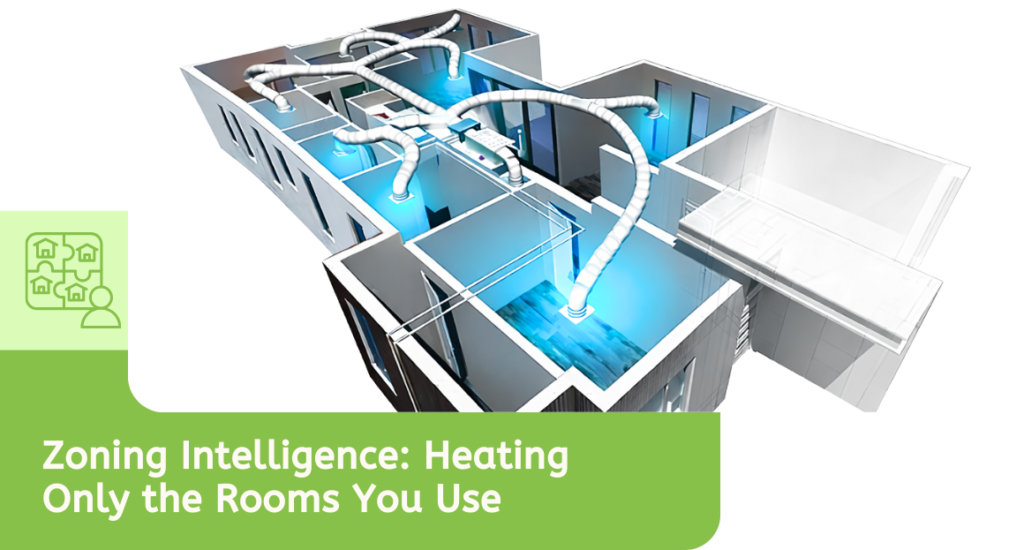
If you are a homeowner looking for smarter, long-term solutions instead of short-term fixes, reverse-cycle air conditioning is the best choice. It runs efficiently compared to older heating methods, and qualifies for a government air conditioning rebate. But there’s one advantage of modern reverse-cycle systems that still doesn’t get enough attention, and it can make a major difference to your comfort and bills.
It’s called zoning, and it’s the reason many modern homes are able to stay warm without heating the entire house.
Reverse-Cycle Air Conditioning Upgrade
Victorian homes are built across different eras, and many properties, even newer ones, still struggle with heat loss during winter and uneven temperature control across rooms. So your heating system often works harder than it should, leading to higher energy use and larger bills.
Reverse-cycle air conditioning solves this problem more efficiently because it doesn’t “create” heat the way older systems do. Instead, it transfers heat, which makes it one of the most energy-efficient ways to warm your home. This is also why reverse-cycle upgrades are encouraged across Victoria and why rebates are often available for eligible systems.
For homeowners searching for an air conditioner rebate in Victoria, reverse-cycle systems are usually the upgrade category most strongly aligned with energy efficiency goals. One of the most overlooked advantages of modern reverse-cycle systems is advanced zoning control. Unlike older ducted systems that heat the entire house, newer systems allow homeowners to divide their home into zones and control each area independently.
Bedrooms can be heated overnight without wasting energy on unused living areas, while living spaces can be prioritised during the day. Over a full winter, zoning alone can reduce heating and cooling running costs by 20–40%, saving you money.
Advanced zoning control
Most people shopping for an air conditioner focus on brand, price, and star ratings. While these matters, zoning is often the feature that determines whether your system actually saves you money after installation.
Zoning means you can divide your home into different areas and control heating and cooling independently in each one. Instead of warming every room equally, you can prioritise the rooms you’re actually using — bedrooms overnight, living areas during the day, and maybe a home office during working hours. This kind of targeted comfort is what makes zoning one of the smartest features in modern reverse-cycle systems.
In a Victorian winter, when heating costs are typically the largest part of the energy bill, zoning can be a major advantage.
How Zoning Cuts Heating and Cooling Costs
Zoning reduces running costs because heating fewer rooms requires less energy and less runtime. When you heat only the rooms you’re occupying, the system reaches the target temperature faster and maintains it more efficiently. That reduces the strain on the unit and cuts down the overall electricity consumption across the day.
Over the course of a full winter, these small daily savings can add up significantly. For many Victorian homes, zoning alone can reduce heating and cooling running costs by around 20–40%, depending on the home layout, insulation, and usage habits.
Which Gives the Best Zoning?
Zoning is often associated with ducted systems, but in reality, split systems can deliver some of the best zoning results because each room can be controlled independently.
Ducted reverse-cycle systems provide zoning and are often a strong choice for larger homes, but the zoning setup must be properly designed during installation. If it isn’t, the system may still heat too much of the house at once, reducing the efficiency benefit.
The best zoning setup is usually the one that matches how your household actually uses the home day to day.
Zoning Isn’t Just About Saving Money
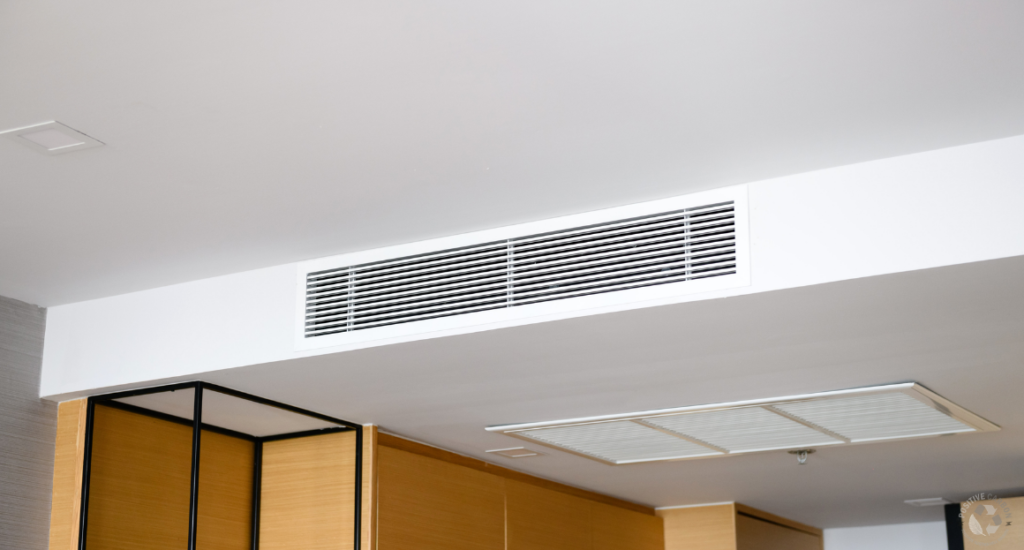
While zoning is often promoted as an energy-saving feature, the comfort benefits can be just as important. Victorian homes commonly have temperature imbalances, bedrooms that stay cold, living rooms that warm up quickly, and rooms that either overheat or never feel warm enough.
Zoning helps solve this by letting you manage each space independently. You can keep bedrooms comfortable without overheating the living areas, or warm your main spaces during the day without wasting energy on empty rooms. For families, zoning also reduces the constant back-and-forth over thermostat settings because different areas can be adjusted based on need.
It creates a home that feels consistently comfortable, rather than a home that’s only warm in one corner.
Zoning Helps You Get More Value From Your Aircon Rebate in VIC
A rebate can reduce the upfront cost of installation, but it doesn’t guarantee long-term savings. Value comes from choosing a system that keeps year-over-year running costs low.
Zoning helps you maximise that value by ensuring the energy you pay for is used efficiently. Instead of heating the whole house, you heat only what you need, which is exactly what makes modern reverse-cycle systems a strong match for energy efficiency rebates.
So if you’re applying for an aircon rebate in VIC, zoning is one of the features that makes the upgrade more than just a purchase.
Victorian Government Air Conditioner Rebate
Many people search for the Victorian government air conditioner rebate expecting a single fixed discount, but rebates in Victoria are usually structured around energy efficiency programs and eligibility rules. This means the rebate amount, availability, and requirements can vary depending on the type of system and the installation pathway.
In many cases, the rebate is not something you apply for later. It is often applied as an upfront discount when you install an eligible system through the right provider. This is why many homeowners prefer working with teams that can guide them through system selection and compliance, rather than trying to interpret eligibility requirements alone.
If you’re unsure, the best place to start is an air conditioner rebate VIC eligibility check. Contact us, and we’ll help you with it.
How Much Is an Air Conditioner Rebate in Victoria?
The rebate amount can vary depending on the type of system, its efficiency rating, the capacity, and the installation structure. That’s why there isn’t always one fixed answer when people ask how much the air conditioner rebate is in Victoria.
In many cases, the rebate is applied directly to the final price as an upfront discount. You pay less at the time of installation. This is also why advertisements for reverse-cycle upgrades often show reduced “from” pricing.
The most reliable way to get a clear rebate estimate is to match your home and your chosen system against the current eligibility requirements.
Zoning Tips: How Victorian Homes Can Maximise Savings
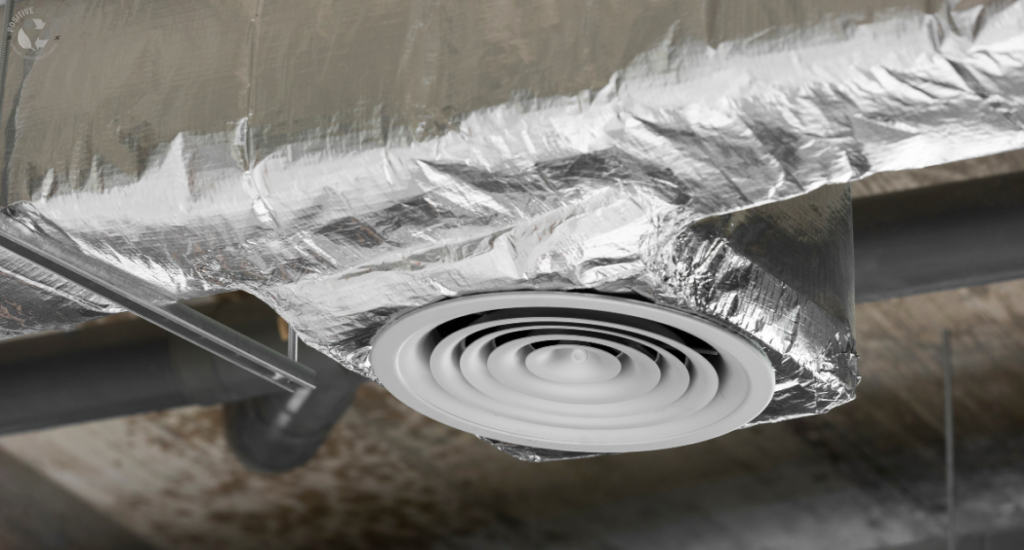
Zoning works best when your heating plan matches how your household uses the home. One of the simplest strategies is to prioritise warming bedrooms only when needed, rather than heating them all day.
During daytime hours, it makes more sense to focus on living areas or workspaces, especially if someone is working from home. Zoning is also more effective when rooms are separated properly, as keeping doors closed helps each zone retain warmth and reduces the amount of heating required.
Many modern reverse-cycle systems also include timers or smart control features, which help prevent unnecessary heating and make zoning easier to manage daily.
Zoning Helps Victoria Electrify Smarter
Victoria is moving steadily toward electrification, and reverse-cycle systems play a key role by reducing reliance on gas, improving efficiency, and aligning with long-term sustainability goals across the state.
But zoning makes this transition smarter. Electrification is about switching to energy sources that reduce total energy consumption. Heating only the rooms you use is one of the simplest ways to cut waste while maintaining comfort.
For households that care about both bills and emissions, zoning is a feature that supports both outcomes at once.
When does Zoning work best?
One common mistake is choosing the cheapest system without considering how zoning will work across the home. A unit might be affordable upfront, but if it doesn’t suit your layout or usage patterns, it may cost more to run over time.
Another mistake is oversizing the system. Many homeowners assume bigger is better, but oversized units can run inefficiently and cycle on and off more than necessary. It’s also easy to underestimate how important installation quality is. Even a highly efficient system can perform poorly if zones are not planned correctly or if the setup doesn’t match the home’s layout.
Finally, many households forget that insulation and sealing affect results. Zoning works best when rooms can retain warmth, so basic draught-proofing can significantly improve performance.
Heat and Cool Your Home
If you’re researching an air conditioner rebate in Victoria, it’s worth looking beyond the discount and focusing on what the upgrade will mean for your bills over the next five to ten years.
With energy costs rising and winters remaining harsh, heating and cooling is no longer a small household expense. It’s one of the biggest contributors to annual bills, especially for families and households that spend more time at home.
When paired with zoning, it becomes even more valuable because it gives you control over where energy is used and prevents unnecessary heating of unused spaces.
So, whether you’re doing an air conditioner rebate VIC eligibility check, comparing systems, or trying to understand how much is an air conditioner rebate in Victoria, zoning should be a key part of your decision. Contact Positive Carbon to learn more and get a subsidised high-efficiency air conditioning system in Victoria.
FAQs