
Reverse Cycle Air Con | Rinnai Multi-Split Systems
Not long ago, air conditioning was something people added after moving in. Today, it’s something buyers expect before signing a contract. With hotter summers, colder winter mornings, rising electricity prices, and more people working from home, reverse-cycle air conditioning has become a core part of how modern homes function.
If your house still relies on portable heaters, an old gas system, or a single outdated split-system air conditioner that struggles to cool the whole space, you’re likely paying more than you should while getting uneven comfort. This is why many Victorian homeowners are upgrading to Rinnai multi-split system air conditioning, supported by generous rebates under the Victorian Energy Upgrades program.
Modern Homes Need Modern Climate Control
Homes today are designed very differently from those built 15 or 20 years ago. Open-plan living areas are larger, ceilings are higher, and windows let in more sunlight, which increases indoor heat during summer and heat loss during winter. Many households now use multiple rooms throughout the day, including bedrooms, living spaces, and home offices that need quiet and consistent temperature control.
Older air conditioning systems were never designed to handle this kind of layout or lifestyle. They often struggle to distribute air evenly, waste electricity by running at full power constantly, and create hot and cold spots across the house. A modern air conditioning system must do more than cool a single room. It needs to manage temperature efficiently across multiple spaces while keeping power bills under control.
This is where modern reverse-cycle air conditioning systems stand out. They are built to deliver stable comfort in today’s homes.
What is Reverse Cycle Air Conditioning?
A reverse cycle aircon is an air conditioner that works in both directions. In summer, it removes heat from inside your home and releases it outdoors, cooling your rooms. In winter, it does the opposite by drawing heat from the outside air and bringing it indoors.
Instead of generating heat like gas heaters or traditional electric heaters, it transfers heat, which is far more efficient. This process allows reverse cycle systems to deliver strong heating and cooling while using very less electricity.
For homeowners, this means faster temperature control, lower running costs, and fewer systems to maintain. One unit provides both heating and cooling, reducing the need for separate appliances. This is why reverse cycle heating and cooling is now considered the most economical long-term solution for Australian residential properties.
Split System vs Multi Split – What’s the Difference?
A typical split system air conditioning setup includes one indoor unit and one outdoor unit.
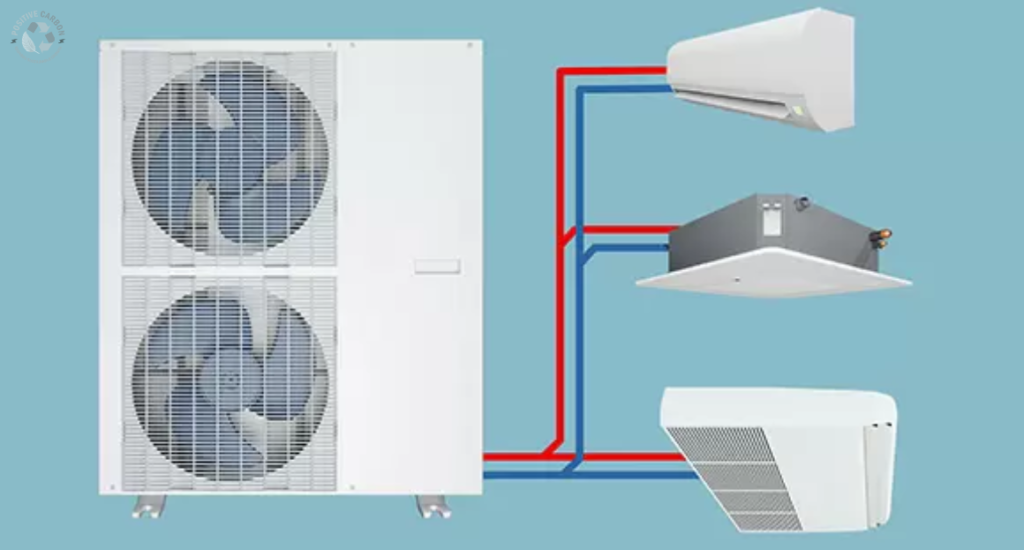
However, many homes need more than one room cooled or heated. Installing multiple separate split systems can clutter a building’s exterior with outdoor units and increase maintenance complexity. A multi-split system air conditioning setup solves this problem by connecting several indoor units to a single outdoor unit.
Multi-split systems offer better long-term efficiency, simpler servicing, and greater flexibility for growing families or changing room usage.
Why Multi-Split System Air Conditioning Is Growing Fast in Victoria
Victorian homes often have three or more bedrooms, along with open living areas that require reliable temperature control. At the same time, townhouses and newer developments frequently have limited outdoor space, making multiple outdoor units impractical or restricted by council guidelines.
Multi-split systems address these challenges by providing whole-home comfort using a single outdoor unit. They allow different rooms to be heated or cooled to suit individual preferences while maintaining a neat exterior appearance.
As energy efficiency standards rise and buyers look for homes with built-in comfort solutions, properties fitted with multi-split systems often attract stronger resale value. These systems also work well with modern insulation standards and integrate smoothly with future upgrades such as rooftop solar.
Choosing Rinnai
Rinnai has become a trusted name in Australian homes due to its focus on reliability, performance, and efficiency. Their systems are designed specifically for residential conditions.
Rinnai multi-split systems use inverter technology that automatically adjusts energy use based on room temperature. This reduces unnecessary energy consumption and helps maintain stable indoor conditions without frequent on-off cycling.
The indoor units operate quietly, making them ideal for bedrooms and work-from-home spaces, while their compact designs suit modern interiors. Long warranties and strong local support also give homeowners confidence in their investment.
Importantly, many Rinnai models meet the requirements of the Victorian Energy Upgrades program, allowing eligible households to receive government rebates when upgrading.
Rinnai’s reverse-cycle technology provides dependable heating and cooling from a single system, making it practical for year-round use without separate appliances.
For homeowners, this means fewer systems to maintain, less clutter around the house, and consistent comfort across seasons.
Smart Tech
Modern Rinnai systems include app-based controls, timers, scheduling, zoning, and energy-saving modes. These features prevent cooling empty rooms or running the system unnecessarily overnight. By optimising usage, you can maintain comfort while keeping electricity bills in check.
Environmental Benefits
Electric reverse cycle systems reduce reliance on gas, lower household emissions, and align with Victoria’s push toward electrification. When combined with solar, they further reduce long-term energy costs and environmental impact.
The Reason Upgrading Is Becoming “Mandatory”
Most homeowners begin researching air conditioning upgrades after their old system fails. But increasingly, people are upgrading earlier to avoid rising energy costs, unpredictable repairs, and inefficient operation.
Older systems consume far more electricity, struggle to maintain temperature, and often cost more to repair than replace. Gas heating prices are rising, spare parts for old units are harder to source, and rental standards are tightening.
Buyers now expect quality climate control when purchasing property, and tenants consider it essential. Efficient reverse-cycle air conditioning is becoming part of the minimum standard for comfortable, modern living.
Victorian Government Rebates Change Everything

The Victorian Energy Upgrades (VEU) program provides financial incentives to households installing energy-efficient systems. When you install an approved Rinnai multi-split or ducted reverse cycle system, the rebate can reduce your upfront investment.
This can lower the price for an air conditioner, reduce the installation air conditioner cost, and make both split system air conditioning installation and ducted air conditioning price far more affordable.
Rebate values vary based on system size, property type, and the system being replaced, but in many cases, they reach several thousand dollars. This turns what used to be a large expense into a realistic upgrade.
Rebates
The rebate process is simple and stress-free for homeowners. Contact us, tell us about the old system that you want to replace and choose an approved system. Then, our accredited installer will install your new system, and the energy savings are calculated and converted into certificates that fund the rebate. The discount is applied directly to your invoice, so you pay less upfront without filling out government forms or waiting for refunds.
Cost Breakdown
Your total investment includes the indoor units, outdoor unit, piping, electrical work, mounting hardware, labour, compliance certificates, and warranty registration. The final amount depends on the number of rooms, system capacity, building layout, electrical condition, and installation complexity.
Rebates are deducted from this total, often reducing the cost significantly compared to installing the same system without government support.
Installation
Professional air conditioning installation starts with assessing your home layout, insulation, and room sizes. Our A-grade installer calculates the capacity required for each room, determines the best placement for indoor and outdoor units, and checks your electrical system.
Pipework, drainage, and mounting hardware are installed carefully, followed by system testing and performance checks. Smart controls are configured, and compliance documents are submitted to process your rebate.
Most multi-split installations take one to two days and require minimal disruption. Only accredited providers like Positive Carbon can legally apply rebates under the VEU program. We ensure that the installed system qualifies, that documentation is completed correctly, and that safety standards are met. We also protect your manufacturer’s warranty and ensure your rebate claim is not rejected due to technical errors. Choosing Rinnai means investing in a reliable system backed by strong warranties. Contact us now for a personalised quote.