
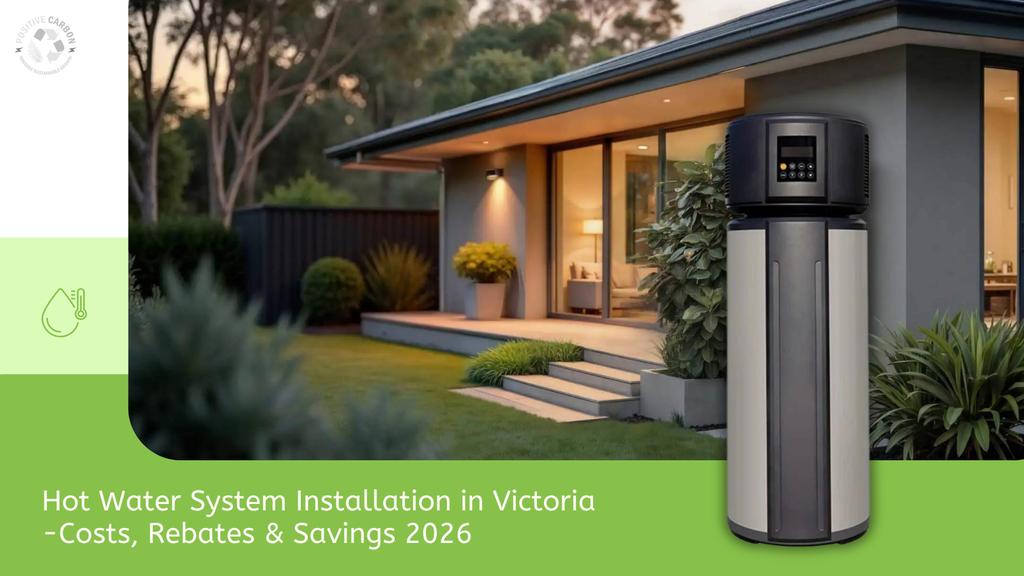
Replacing an old electric storage tank, upgrading from gas, or building a more energy-efficient home, understanding the real Setup costs and available incentives is essential before making a decision.
Eligible households may receive a discount when upgrading to an approved energy-efficient hot water system, particularly heat pump models. However, rebate amounts, Mounting requirements, and long-term savings can differ depending on the system you choose and your household’s energy usage.
This guide explains the typical hot water system upgrade costs in Victoria for 2026, the rebates that may be available, and the potential energy savings homeowners can expect over the life of the system. It will help you compare options and make a more informed investment in your home’s energy future.
What Is Included in a Hot Water System Installation?
When comparing hot water system installation quotes, it is important to understand what the quoted price actually covers. A standard installation may include the supply of the new hot water unit, removal and disposal of the existing system, labour, and standard plumbing, electrical, or gas connection work. Depending on the system and property, the quote may also cover commissioning, basic drainage requirements, and standard adjustments needed to connect the new unit.
Some properties may require additional work that falls outside the scope of a standard installation package. This could include switchboard or electrical upgrades, significant pipework modifications, system relocation, specialised mounting, or other site-specific work. These requirements should be identified and included separately in the quote where applicable.
Rebate assistance may also be available for eligible systems and installations. If a provider assists with the applicable documentation or claims process, this should be clearly explained as part of the service. Reviewing each component of the quote helps homeowners understand the total cost and compare installation options more accurately.
Average Installation Costs in Victoria
Once you understand what is included in a professional installation, the next question is usually the expected cost. In Victoria, the total price can vary depending on the type of hot water system, the size of the household, and whether any additional electrical or plumbing work is required. In 2026, a standard electric storage hot water replacement is generally the lowest-cost option, while heat pump systems sit at the higher end of the range because they use more advanced technology and may require extra installation work. Many Victorian homeowners can expect installed prices of around $1,500–$3,000 for electric storage systems, $2,000–$4,000 for gas storage or continuous-flow systems, and $3,000–$6,000 or more for heat pump hot water systems before rebates.
The final amount may increase if the new system is being relocated, switchboard upgrades are needed, or older pipework must be replaced. However, available Victorian energy-efficiency rebates can substantially reduce the upfront cost of eligible heat pump installations, so many households find that the higher purchase price is partly offset by government incentives and lower running costs over time. For budgeting purposes, it is best to request a detailed quote that separates equipment costs, labour, and any site-specific upgrade work.

Available VEU Rebates and Discounts
After considering the upfront installation cost, Victorian homeowners should also look into rebates and discounts available through the Victorian Energy Upgrades (VEU) program. Eligible households may receive a discount when upgrading to an approved energy-efficient hot water system, particularly heat pump models that meet the program’s requirements. The amount of support can vary depending on the system being installed, its efficiency, and the applicable VEU requirements at the time of installation.
These incentives are generally applied through participating providers like us, which can reduce the amount you pay upfront rather than requiring you to claim the full rebate independently. Eligibility and discount amounts can change, so it is important to check the current VEU requirements before choosing a system. When comparing installation quotes, ask the provider whether the quoted price already includes the applicable VEU discount and what conditions apply. This gives you a clearer picture of the actual cost of upgrading your hot water system.
Gas vs Electric vs Heat Pump Installation
The type of hot water system you choose can affect both the installation process and your long-term household energy costs. Gas systems can be suitable for homes with an existing gas connection, but installation may involve gas-specific requirements and ongoing gas consumption. Electric storage systems are generally straightforward to install and can have a lower upfront cost, although their running costs can be higher depending on electricity usage and tariffs. Heat pumps use electrical energy to convert heat from the surrounding air into water, making them a more energy-efficient option for many Victorian homes. While their initial installation cost can be higher, eligible systems may qualify for rebates and can deliver lower energy consumption over time. The right choice depends on your household size, existing connections, available space, budget, and energy goals.
How Much Energy Can a New System Save?
Replacing an older hot water system with a more efficient model can reduce the amount of energy required to heat your water, particularly when upgrading to a heat pump system. The actual savings will depend on your household’s hot water consumption, the system being replaced, electricity or gas prices, and how efficiently the new unit operates. Households with higher hot water demand may see greater potential savings, making system efficiency an important consideration when comparing installation options.
What to Expect on Installation Day
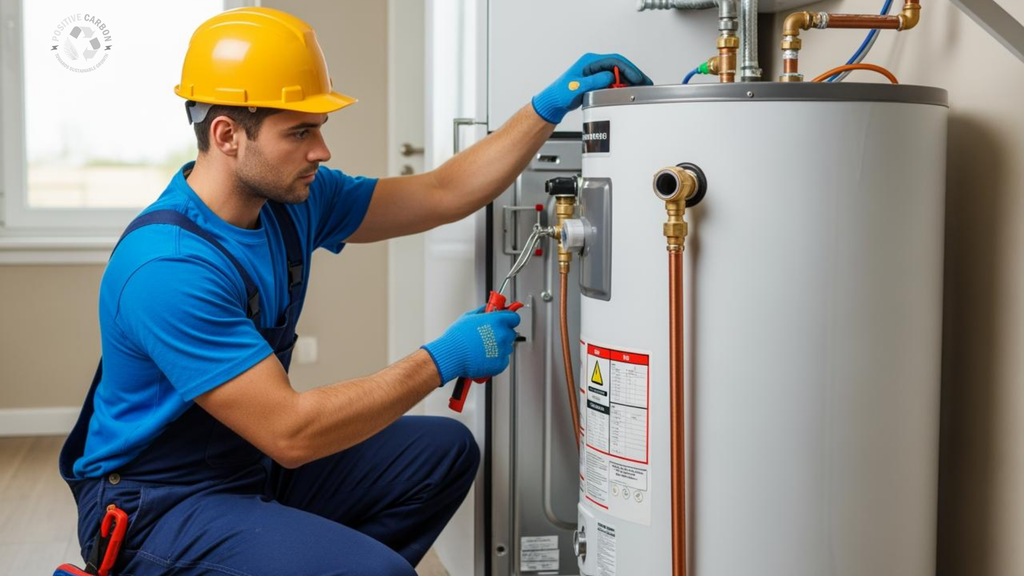
Once your installation is scheduled, the process begins with a site assessment to confirm that the prepared location is suitable for the new system. The installation team will then carry out the replacement work in accordance with the requirements of the selected system and your property.
During the installation, the team will keep you informed about any site-specific considerations that may affect the work. Once the new system is operational, they will check that it is functioning correctly and explain the basic controls and operation. You can also ask questions about everyday use, recommended maintenance, and what to expect from your new system.
The exact time required can vary depending on the type of hot water system, access to the installation area, and whether additional work is required. Your provider should explain any expected delays or changes before proceeding with work outside the original scope.
How Positive Carbon Helps With Installation and Rebate Paperwork
Choosing the right system is only one part of upgrading your hot water setup. At Positive Carbon, we make the process easier by helping you from the initial assessment through to installation. We help identify a suitable hot water solution for your home, coordinate the installation, and ensure the system is set up correctly and ready to use. Where applicable, we also assist with the required rebate paperwork, helping you navigate the documentation and claims process for eligible energy upgrades. This means you can spend less time dealing with paperwork and more time enjoying a more efficient hot water system. With the right system, professional installation, and available incentives working together, upgrading your hot water can be a practical step towards reducing household energy costs in 2026.