
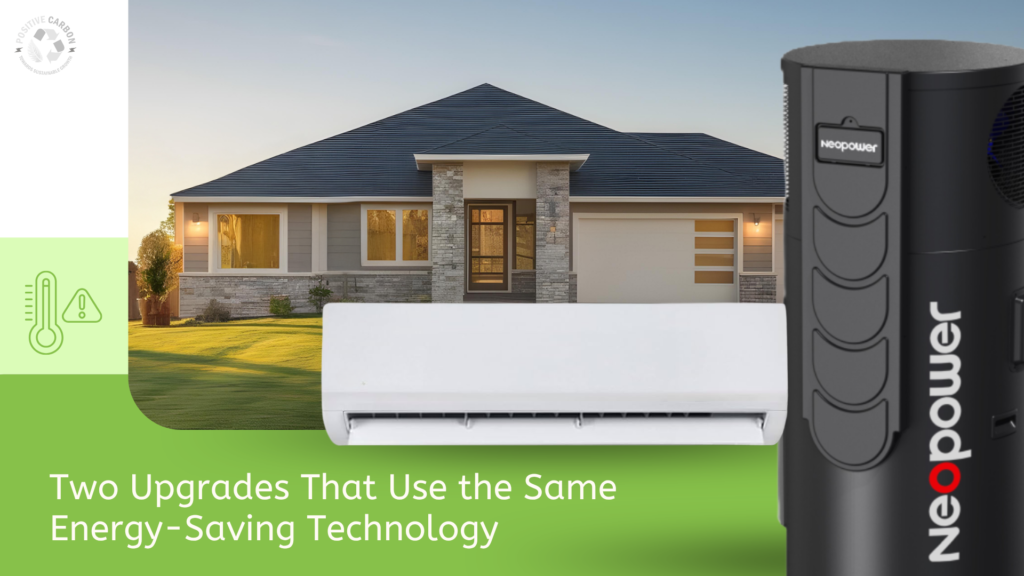
When most people think about upgrading their home, they rarely connect their hot water system and air conditioner. Yet both play an important role in the growing shift towards home electrification Victoria homeowners are embracing to reduce energy bills and reliance on gas.
They seem like completely different products serving completely different purposes. Yet they are powered by the same technology.
This is why government programs across Australia continue to encourage homeowners to explore hot water rebates and aircon rebates. These incentives are not simply designed to replace old appliances. They are helping households transition towards a more efficient way of heating water and controlling indoor temperatures.
Understanding this connection can help homeowners make smarter energy decisions, reduce running costs, and maximise the benefits available through hot water and aircon rebates.
The Traditional Way of Heating
Victorian homes relied on technologies that created heat directly for years. Electric storage hot water systems use resistance elements to generate heat. Gas hot water systems use combustion to warm water. Traditional gas heaters burn fuel to heat indoor spaces.
While these systems get the job done, they require significant amounts of energy because they are creating heat from scratch.
Modern heat pump technology takes a completely different approach, where instead of generating heat, it moves heat.
A heat pump hot water system extracts warmth from the surrounding air and transfers it into water. A reverse-cycle air conditioner extracts heat from one environment and transfers it somewhere else. The result is a more efficient use of electricity and lower ongoing energy consumption.
The Same Technology

Many people are surprised to learn that the same refrigeration cycle found in a refrigerator powers both a heat pump hot water system and a reverse-cycle air conditioner.
Inside, both systems are remarkably similar components. A compressor circulates refrigerant through the system. An evaporator absorbs heat from the surrounding air. A condenser releases that heat where it is needed. An expansion valve regulates the flow of refrigerant, allowing the cycle to repeat continuously.
Whether the goal is heating water or warming a living room, the process remains largely the same. The refrigerant absorbs heat. The compressor increases its temperature. The heat is transferred to its destination. The cycle starts again. This shared technology is one of the strongest reasons governments continue to support both a hot water system rebate and an aircon rebate as part of broader energy-efficiency initiatives.
Why Heat Pumps Are So Efficient
Heat pump technology does not rely entirely on electricity to produce heat. Instead, electricity powers the movement of heat that already exists in the environment. Even on cooler days, the air around us contains thermal energy. Heat pumps capture that energy and concentrate it for practical use. A heat pump hot water system can often deliver three to five units of heat for every unit of electricity consumed.
Similarly, a reverse-cycle air conditioner can provide multiple units of heating or cooling output for every unit of electricity used. This means homeowners receive significantly more useful energy than the electricity they purchase from the grid.
Heat Pumps and the Future of Australian Homes
Today, energy policy, rising utility costs, and household sustainability goals are encouraging a move towards electrification, which is replacing fossil-fuel-powered systems with efficient electric alternatives.
Heat pump hot water systems represent the future of water heating.
Reverse-cycle air conditioners represent the future of space heating and cooling.
Together, they form the foundation of a modern all-electric home. This broader shift helps explain why both a hot water system rebate and an aircon rebate are often available under energy-efficiency programs.
Governments are not just encouraging appliance upgrades. They are supporting a transition towards cleaner and more efficient technologies.
The Hidden Opportunity in Your Home
Water heating and space conditioning typically account for a substantial portion of household energy use. Hot water is required every day. Heating and cooling systems often operate for long periods throughout the year.
Because these systems consume so much energy, improving their efficiency can have a great impact on the running costs, and these upgrades can deliver long-term savings while improving comfort throughout the home.
Why Solar and Heat Pumps Work So Well Together
One of the most compelling reasons Australian homeowners are embracing heat pumps is their compatibility with rooftop solar. Solar panels generate electricity during daylight hours. Heat pumps use electricity to move heat. This creates a natural partnership.
For households already considering solar, a hot water system rebate and an aircon rebate can help maximise the value of their renewable energy investment.
The more efficiently electricity is used, the greater the overall return from a solar system.
Rebates & Ongoing Savings

While rebates often attract initial interest, more value comes from ongoing savings.
The rebate helps reduce the purchase and installation cost of the energy-efficient upgrade.
These energy-efficient products can lower energy consumption and reduce household bills year after year. Modern systems often provide better performance, quieter operation, and improved reliability compared to older technologies.
In many cases, the rebate is simply the starting point for much larger financial and environmental benefits. Lower the upfront investment required, and the benefits continue long after installation.
Two Applications of the Same Energy-Saving Technology
Perhaps the most important takeaway is that heat pump hot water systems and reverse-cycle air conditioners are not separate stories.
Both use refrigeration technology, move heat rather than create it, and reduce energy consumption compared to traditional alternatives, supporting Australia’s transition towards cleaner and more efficient homes, and qualify for incentives that make upgrading more affordable.
The next time you hear about a hot water system rebate or an aircon rebate, it is worth looking at what is really being encouraged: the adoption of one of the most efficient technologies available to modern households.
If you are someone seeking greater comfort and a smarter approach to home energy use, this connection may be the most valuable insight of all. Book your free site assessment today and let our team help you access available rebates as you upgrade to a more energy-efficient home.