
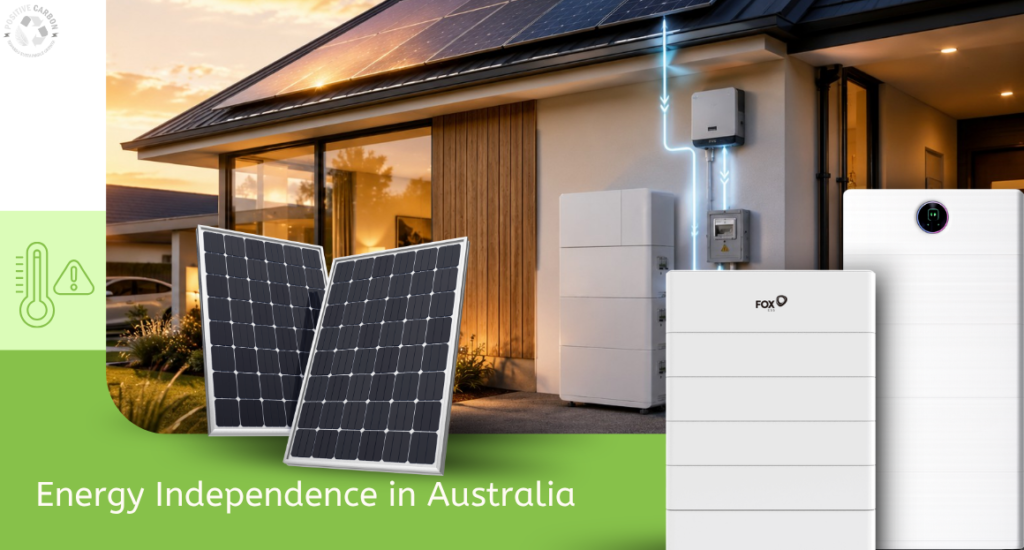
Households wanted lower power bills, while businesses sought to reduce operating costs and demonstrate their commitment to sustainability.
But how much control can they have over their energy future?
Energy independence does not mean disconnecting from the electricity grid or becoming entirely self-sufficient. Rather, it refers to reducing reliance on external energy sources by generating, storing and managing energy more effectively.
As electricity prices continue to fluctuate, feed-in tariffs remain low and expectations around environmental performance increase, making energy independence one of the most important energy trends.
Energy Independence
Today’s energy-independent home or business is typically still connected to the grid. The difference is that it relies less heavily on grid electricity and has more flexibility in how and when energy is used.
A home with solar panels and battery storage can store excess solar energy generated during the day and use it during the evening when electricity demand and prices are often higher.
A commercial facility can use on-site renewable energy generation to reduce dependence on peak electricity periods, helping manage operational costs more effectively.
In both cases, the objective is not to eliminate the grid but to reduce dependence on factors outside the owner’s control. Energy independence is ultimately about increasing certainty in an increasingly uncertain energy environment.
Rising Energy Costs Are Driving Interest in Energy Independence
Australian households have experienced years of rising living expenses, while businesses continue to navigate increasing operational costs across multiple areas. Energy has become a variable cost that can impact household budgets and business profitability.
For many organisations, energy costs influence everything from production expenses and logistics to long-term investment planning.
As a result, energy independence is increasingly viewed as a practical strategy for managing risk.
Generating and storing more energy onsite allows households and businesses to reduce their exposure to wholesale market fluctuations, network charges and future price increases.
Rather than simply paying whatever the market dictates, they gain greater influence over their own energy outcomes.
From Energy Generation to Energy Control
Success was measured by how much electricity a solar system could produce. Today, that mindset is changing.
Feed-in tariffs have fallen considerably compared to previous years. While exporting excess solar energy still provides value, the financial return is often far lower than the cost of purchasing electricity from the grid later in the day.
This has created a new focus on self-consumption. Instead of asking how much energy can be exported, Australians are increasingly asking how much of their own energy they can keep and use.
This change is why battery storage has become such an important part. Battery systems help households and businesses maximise the value of the renewable energy they generate by storing excess electricity for later use.
Energy Independence for Australian Households
Energy independence is often closely linked to financial security and lifestyle benefits for residential energy users. Households want predictable energy costs, particularly at a time when electricity prices remain a concern for many families.
A home equipped with solar panels and battery storage can use more of its own renewable energy throughout the day and into the evening. This reduces reliance on grid electricity during periods when rates may be higher.
Power outages, extreme weather events, and network disruptions have highlighted the importance of reliable energy access when it is needed most. While not every battery system is designed for backup power, many homeowners are increasingly considering energy resilience as part of their overall energy strategy.
Another emerging factor is electrification. Australian households are adopting electric vehicles, induction cooking appliances and heat pump hot water systems at growing rates.
As homes become more electrified, managing energy consumption efficiently becomes even more important. Energy independence helps households make better use of the renewable energy they generate while supporting future energy needs.
Energy Independence for Australian Businesses

For commercial organisations, the benefits of energy independence often extend beyond electricity savings. Businesses operate in an environment where energy costs can directly influence competitiveness, profitability and long-term growth.
Manufacturing facilities, warehouses, retail operations, healthcare providers and agricultural businesses all rely on consistent and affordable access to electricity.
Energy independence allows businesses to reduce exposure to external market conditions and improve operational stability. This is particularly important during periods of peak demand when electricity costs can rise significantly.
Battery storage systems allow businesses to shift energy usage patterns, making greater use of stored renewable energy during expensive periods. In addition to cost management, many organisations now view energy independence as a strategic investment in business continuity.
Power interruptions can affect productivity, customer service, inventory management and operational performance. Reducing dependence on the grid can help improve resilience against disruptions while supporting broader sustainability objectives.
The Growing Link Between Energy Independence and ESG Reporting
One of the developments in recent years is the growing connection between energy independence and Environmental, Social and Governance (ESG) reporting.
Businesses are facing increasing expectations from investors, customers, regulators and supply chain partners to demonstrate measurable sustainability progress.
In the past, sustainability efforts often focused on broad commitments and future targets.
Today, stakeholders expect evidence. Energy independence contributes directly to this shift by enabling organisations to demonstrate practical action through renewable energy adoption, energy efficiency improvements and reduced grid reliance.
Companies pursuing ESG objectives increasingly recognise that onsite renewable energy generation and battery storage can support sustainability goals while also improving financial performance. This is a powerful alignment between environmental responsibility and business strategy.
Resilience Is Just as Important as Sustainability
Australian homes and businesses are operating in a world characterised by increasing uncertainty. Extreme weather events, evolving energy markets and growing electricity demand have highlighted the importance of building more resilient energy systems.
Energy independence helps address these challenges by reducing reliance on a single source of electricity.
For homeowners, this may provide greater confidence during network disruptions and for businesses, it can strengthen operational continuity and reduce the potential impact of unexpected energy-related events.
Rather than viewing solar and battery systems solely as sustainability upgrades, many now see them as essential infrastructure for the future.
Battery Storage in Australia’s Energy Future
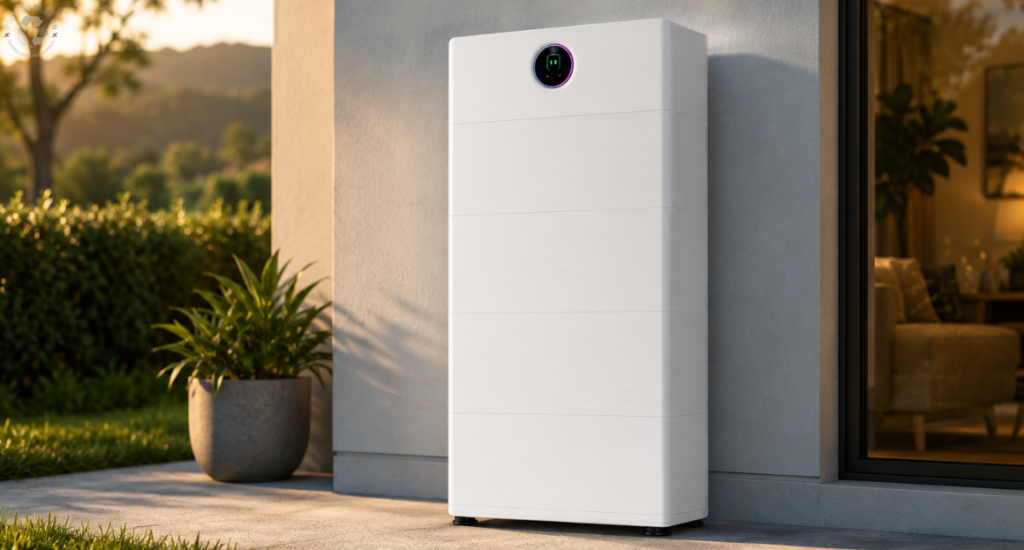
Much of the renewable energy generated during daylight hours can be retained and used when it provides the greatest value with a battery storage upgrade.
Powering evening activities using stored solar energy, reducing electricity purchases during expensive peak periods and improving energy management capabilities. It is helping transform renewable energy from a generation solution into a complete energy management solution.
Take Control of Uncertainty
The most important aspect of energy independence is that it extends beyond technology. Solar panels, battery storage systems and smart energy management tools are all important components, but they are not the end goal.
The goal is control. Control over energy costs. Control over energy usage. Control over sustainability outcomes. Control over future energy risks.
Whether through solar energy, battery storage, or smarter energy management, homes and businesses across the country are discovering that the path to sustainability lies in gaining greater control over how energy is produced, stored, and used.
This control may be one of the most valuable assets any home or business can have. As an approved seller, we help Australian homes and businesses navigate every stage of the process, like system recommendations and premium solar and battery solutions, through to rebate eligibility assessments, compliance requirements and documentation support. Connect with us for the best solar quote.