Old air conditioners were replaced because they stopped working, became too expensive to run, or could no longer handle Melbourne’s unpredictable weather.
Victorian property owners are now paying closer attention to how their homes actually feel indoors. They are noticing the effects of stale air during winter, dust circulating through aging systems, recurring condensation and mould issues, worsening hay fever symptoms, and the discomfort that comes from homes with poor ventilation. At the same time, energy costs continue to rise, and Victoria’s transition away from gas heating is being facilitated by programs like the Victorian Energy Upgrades (VEU) scheme.
Because of this, modern reverse-cycle air conditioning systems are increasingly viewed as complete indoor comfort and air quality systems designed to create healthier, cleaner, and more efficient homes.
Government rebates available across Victoria are now helping homeowners replace outdated systems with energy-efficient reverse-cycle air conditioners that not only reduce energy consumption but also improve indoor living conditions.
Indoor Air Quality Has Become a Serious Concern in Victorian Homes
Victoria’s climate and housing conditions create a unique set of indoor air quality challenges that many households are now beginning to recognise. Melbourne and regional Victorian winters are long and cold, which means homes often remain sealed for extended periods. Windows stay shut to retain heat, airflow becomes restricted, and moisture begins to build up indoors. Older homes and rental properties are particularly vulnerable to condensation, dampness, and poor ventilation during the winter months.
This creates an environment where stale air, dust particles, allergens, and mould spores can accumulate inside the home. Many Victorian renters and homeowners regularly discuss recurring mould problems, musty smells, and poor indoor conditions during winter, especially in properties with ageing heating systems or limited airflow.
At the same time, awareness around respiratory health and indoor air quality has grown substantially across Australia. The experience of bushfire smoke events, increased asthma awareness, seasonal allergies, and a stronger focus on healthy homes after the pandemic have all contributed to this shift. Government health authorities now regularly discuss the importance of indoor air quality, proper ventilation, filtration, and reducing exposure to airborne pollutants inside residential properties.
Why Older Heating and Cooling Systems Often Make the Problem Worse
A large number of Victorian homes still rely on ageing ducted gas heating systems, older split systems, portable electric heaters, or outdated evaporative cooling systems that were never designed with modern indoor air quality expectations in mind.
As these systems age, they can begin circulating dust, stale air, and allergens throughout the property. Poorly maintained filters, moisture buildup, dirty ducts, and inconsistent airflow can all contribute to uncomfortable indoor environments. In some cases, older systems may also contribute to dryness, condensation, and unpleasant odours, which become more noticeable during winter when homes remain closed for long periods.
Newer systems are designed not only to heat and cool more efficiently, but also to manage airflow, filtration, humidity, and air circulation much more effectively than older equipment.
Modern Reverse-Cycle Aircons Are Designed for Cleaner Indoor Living
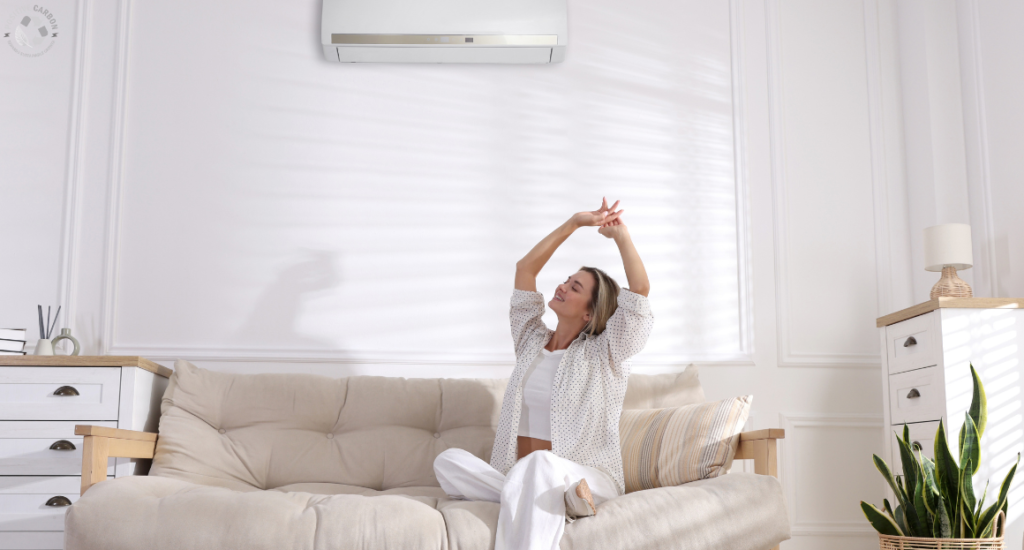
One of the biggest differences between older systems and modern reverse-cycle air conditioners lies in their focus on air quality and filtration technology.
Today’s systems from brands like Daikin Australia, Rinnai Australia and Midea Australia increasingly include advanced features that go beyond basic heating and cooling. Many systems are now designed to help improve indoor comfort by reducing airborne particles, managing airflow more efficiently, and creating more stable indoor temperatures throughout the home.
Modern reverse-cycle systems can include enhanced filtration technologies that help reduce common indoor pollutants, including dust, pollen, allergens, pet dander, and fine airborne particles. Some premium systems also focus heavily on air purification and healthier indoor environments, particularly for households affected by allergies, asthma, or seasonal respiratory irritation.
Daikin, for example, strongly positions its air purification technologies around healthier indoor air, reduced allergies, and improved sleep comfort. Their systems are increasingly marketed as part of a healthier home lifestyle rather than simply as an air-conditioning product.
This reflects a much broader trend across Victoria where homeowners are beginning to ask different questions before replacing their systems. Instead of only comparing running costs or cooling capacity, many are now considering how a system affects indoor air quality, airflow, comfort, and overall well-being.
Hay Fever and Allergies Are Driving More Heating and Cooling Upgrades in Melbourne
Melbourne’s pollen seasons are notorious, and many Victorians experience worsening hay fever symptoms throughout spring and summer. Online discussions across Melbourne communities increasingly mention air purifiers, filtered airflow, and indoor systems that can help create relief during severe allergy periods.
Because modern reverse-cycle systems continuously circulate and filter indoor air, many households see them as a practical way to create a cleaner indoor environment during high-pollen periods. While no air conditioner can completely eliminate allergens, newer systems with improved filtration can help reduce the amount of airborne particles circulating through indoor spaces.
This is particularly important for families with children, elderly residents, asthma sufferers, or anyone sensitive to dust and seasonal allergies. As a result, air conditioning upgrades are increasingly being linked to comfort, sleep quality, and respiratory well-being rather than purely cooling performance.
Bushfire Smoke Has Also Changed How Victorians View Air Conditioning
Bushfire smoke has become another major reason many Victorian households are upgrading older systems.
During major smoke events, indoor air quality can deteriorate, especially in homes that rely on systems pulling outdoor air directly into the property. Victorian health guidance now specifically recommends using refrigerated reverse-cycle air conditioners in recirculation mode during smoky conditions because they help reduce the amount of outdoor smoke entering indoor spaces.
This has become especially important in regional Victoria and outer-suburban areas, where bushfire smoke can affect communities for extended periods during summer. Unlike older evaporative cooling systems, modern reverse-cycle systems are better suited to maintaining cleaner indoor air during smoke events because they primarily recirculate indoor air rather than continuously drawing in outdoor air.
Victorian Government Rebates & Aircons
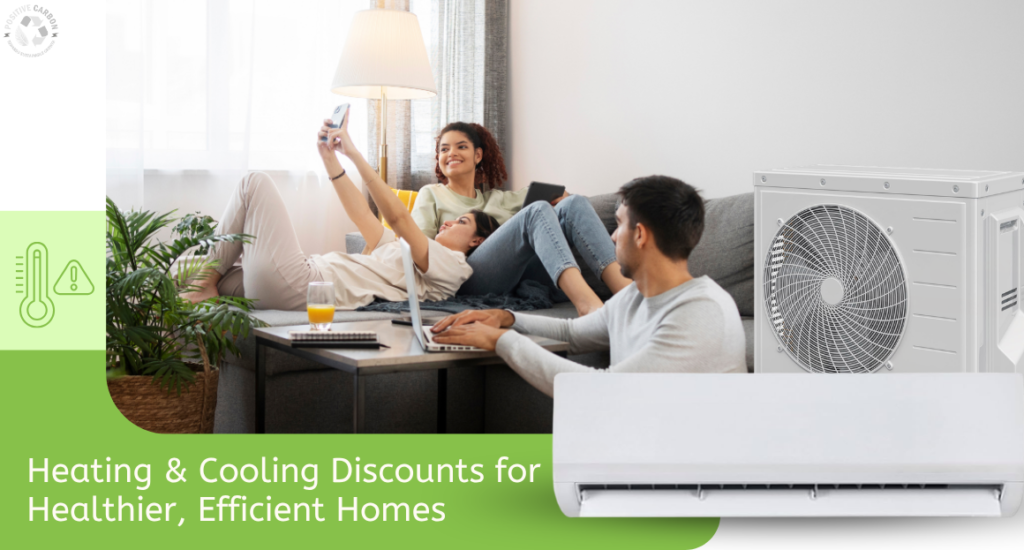
The Victorian Government continues to encourage households to move toward efficient electric heating and cooling systems through the Victorian Energy Upgrades program.
You can receive substantial upfront discounts when replacing inefficient systems with approved energy-efficient reverse-cycle aircons.
Many households that may have delayed replacing ageing systems are now reconsidering because rebates significantly reduce installation costs.
The rebate system also aligns with Victoria’s broader push toward electrification and reducing reliance on older gas heating systems. Reverse-cycle air conditioners are highly energy-efficient and work particularly well alongside solar systems and battery storage, making them an attractive choice for homes planning long-term energy upgrades.
Why Reverse-Cycle Air Conditioning Fits Victoria’s Future
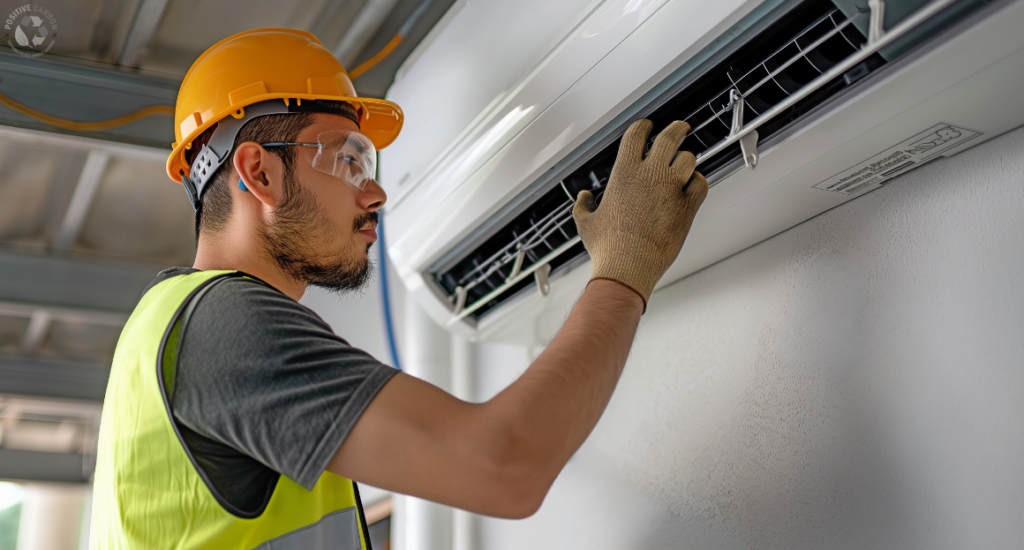
Reverse-cycle air conditioning systems combine heating, cooling, filtration, and energy efficiency into one integrated system.
As awareness around indoor air quality continues to grow, heating and cooling systems are becoming one of the most important upgrades Victorian property owners can make for both their homes and their long-term well-being. This is particularly relevant as more Victorians work from home, spend longer hours indoors, and become increasingly conscious of how indoor environments affect productivity, sleep, and wellbeing. Contact us to install premium reverse-cycle air conditioners at a very low upfront cost and claim government rebates.