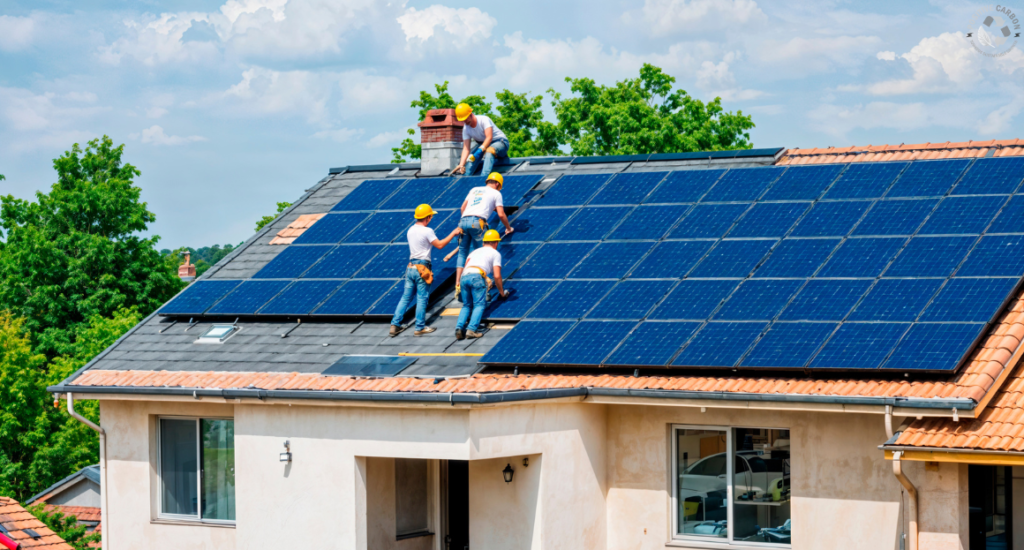
Both the Federal Government and state governments have refined and expanded rebate programs for solar and battery systems.
In 2025, the focus is no longer just on installing solar panels. The conversation has moved decisively toward energy storage. This blog brings together the most relevant government-backed incentives and explains how they work in practice.
Home Battery Storage
For more than a decade, government support helped households adopt rooftop solar. While that successfully increased solar generation across the country, it also introduced a new challenge: excess daytime energy exported to the grid at low feed-in tariffs, while households still rely on expensive grid electricity in the evenings.
Home batteries directly address this gap.
By storing surplus solar energy for use after sunset, batteries improve self-consumption, reduce reliance on the grid, and help stabilise the electricity network. This is why 2025 marks a policy turning point: battery incentives are now a national priority, supported through the same framework that has delivered solar subsidies since 2011.
Federal Government Solar Battery Rebate
The Cheaper Home Batteries Program
The Cheaper Home Batteries Program(from 1 July 2025) is the Federal Government’s flagship initiative to accelerate battery uptake across Australia.
Rather than creating an entirely new system, the government chose to deliver this incentive through the existing Small-scale Renewable Energy Scheme (SRES). This is the same mechanism used for solar panel rebates via Small-scale Technology Certificates (STCs).
Under this program:
Eligible home battery systems receive an upfront discount at the point of sale.
The rebate is applied by assigning STCs, reducing the installed cost immediately.
There is no need for households to lodge claims themselves.
Who Can Access the Federal Battery Rebate?
This rebate is not means-tested, which is a significant departure from some state-based programs. Eligibility is primarily technical rather than financial.
The system must:
Be installed at a residential property, small business, or community facility
Have a capacity within the approved range (support is capped for larger systems)
Use batteries approved by the Clean Energy Council (CEC)
Be installed by an appropriately accredited installer
Importantly, both new solar systems and existing solar homes are eligible. This recognises the reality that many households already have panels but lack storage.
Why Battery Rebates Will Reduce Over Time
One of the most important aspects of the Federal Government solar battery rebate is that it is designed to taper. This program is a controlled reduction as battery adoption increases and costs continue to fall. The number of STCs allocated per system gradually reduces, making the dollar value of the rebate decline year by year.
From a policy perspective, this creates a balance:
Early adopters receive stronger financial support
Long-term market stability is maintained
The industry avoids sudden incentive cliffs
So timing is important. The rebate remains available, but the most substantial incentives are always earlier in the program lifecycle.
Government Rebates and Loans for Solar Panels
Federal Solar Panel Rebates (SRES)
Solar panel rebates remain available under the Small-scale Renewable Energy Scheme. These rebates apply to systems up to 100 kW and are calculated based on the system size, location (climate zone) and deeming period remaining.
STCs are typically assigned to the installer, reducing the upfront cost of the system rather than reimbursing the customer later.
While the solar rebate has been gradually reducing over time, it remains a cornerstone of Australia’s clean energy transition and continues to support households installing rooftop solar in 2025.
Solar Victoria: State-Based Support for Households
Victoria operates one of the most structured state solar support programs through Solar Victoria.
Solar Panel Rebates in Victoria
Eligible Victorian households can access:
A solar panel rebate reduces upfront installation costs
Optional interest-free loans to further improve affordability
Call us and send your energy bill by mail, and we’ll check your eligibility based on property value, household income, and ownership status. The program availability can fluctuate throughout the year.
Batteries in Victoria
The introduction of the Federal battery rebate has shifted much of the financial support burden to the national level. For homeowners searching for solar battery installation in Melbourne, understanding how Federal and Victorian programs interact is essential.
Clean Energy Council Approval
All government-supported solar and battery systems must comply with strict safety and performance standards. This is where Positive Carbon’s service and efficiency come in. We supply branded products that comply with Australian Standards. Our installers are A-grade technicians.
When comparing solar battery quotes or searching for solar battery installers near me, CEC approval is not optional; it is the foundation of rebate eligibility and system safety.
If you’re considering solar panels or a home battery and want clear, accurate guidance on rebates, system suitability, and installation, speak with our accredited team. We’ll help you understand what incentives apply, design a system that fits your energy needs, and manage the process from assessment to installation with transparency at every stage. Contact us today to request a customised solar or battery assessment.
Frequently Asked Questions
Do solar panels really save you money?
Yes, but savings depend on system size, usage patterns, and tariff structures. Homes with higher daytime usage or batteries see the strongest financial outcomes.
How can I reduce my electricity bills using solar power at home?
The most effective approach combines an appropriately sized solar panel, a battery to store excess generation and usage habits that prioritise self-consumption.
What is the average cost of a home solar system in Australia?
Costs vary widely based on size, brand, and installation complexity. The federal and state Rebates reduce upfront pricing, making systems more accessible than a decade ago.
Costs vary widely based on size, brand, and installation complexity. The federal and state Rebates reduce upfront pricing, making systems more accessible than a decade ago.
Just give us a quick call, and we’ll tell you everything you need to know about the product, quote and installations.
What incentives are available for homes to go solar?
Incentives include federal STCs for solar panels, federal battery rebates under the Cheaper Home Batteries Program, State-based rebates and loans, such as Solar Victoria
Will a solar power installation save me money?
Yes, particularly when paired with a battery and designed around realistic energy usage rather than theoretical maximum output.
Yes, but savings depend on system size, usage patterns, and tariff structures. Homes with higher daytime usage or batteries see the strongest financial outcomes.
The most effective approach combines an appropriately sized solar panel, a battery to store excess generation and usage habits that prioritise self-consumption.
Costs vary widely based on size, brand, and installation complexity. The federal and state Rebates reduce upfront pricing, making systems more accessible than a decade ago.
Just give us a quick call, and we’ll tell you everything you need to know about the product, quote and installations.
Incentives include federal STCs for solar panels, federal battery rebates under the Cheaper Home Batteries Program, State-based rebates and loans, such as Solar Victoria
Yes, particularly when paired with a battery and designed around realistic energy usage rather than theoretical maximum output.
Please fill in the form below before starting the chat
How can I assist you with?
Consent form:
I confirm that I am over 18 years of age and that I am the lawful occupant, homeowner, or authorised tenant of the above address, or otherwise authorised to act on behalf of this property or business.
I confirm that I have voluntarily provided my contact details and that I was not pressured, induced, or incentivised to provide this consent.
I consent to receive communications from Positive Carbon regarding energy-efficient products and services, including information related to government incentives, rebates, and programs such as the Victorian Energy Upgrades (VEU) program, where applicable.
I understand that my details may be used for the purpose of assessing eligibility, arranging quotes, installations, compliance checks, and audit requirements under the VEU program.
I understand that my consent is valid for three (3) months. I also understand that Positive Carbon may contact me by phone, email, SMS, or in person (including during a site visit) for up to six (6) months. I can withdraw my consent or opt out at any time by emailing enquiries@positivecarbon.com.au or calling 03 9799 6239.

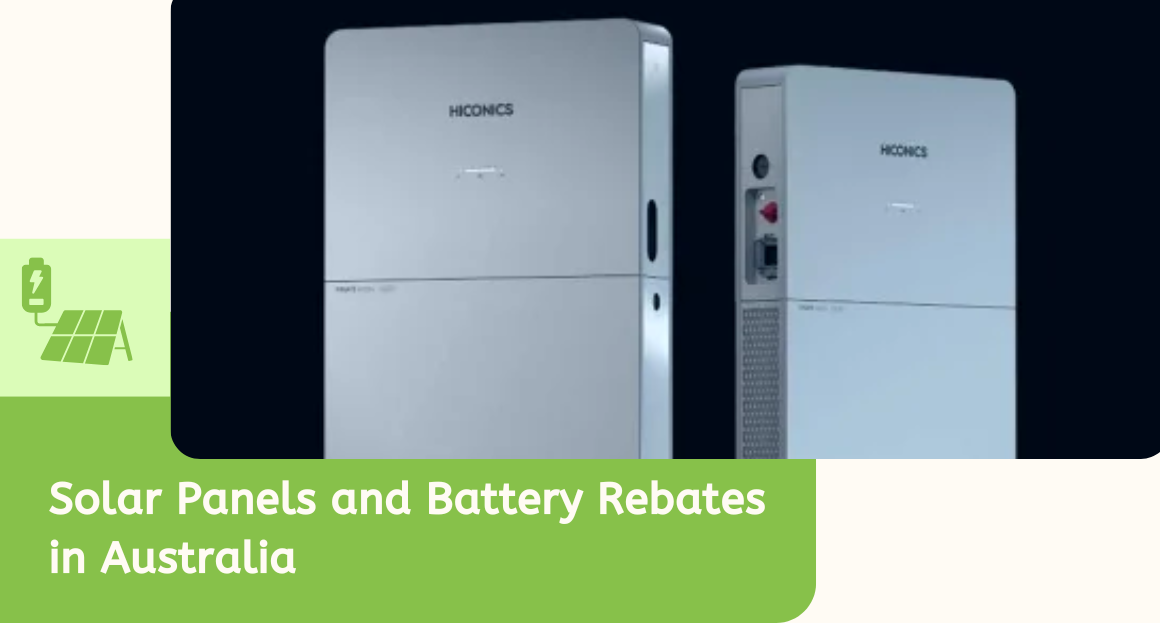 Both the Federal Government and state governments have refined and expanded rebate programs for solar and battery systems.
In 2025, the focus is no longer just on installing solar panels. The conversation has moved decisively toward energy storage. This blog brings together the most relevant government-backed incentives and explains how they work in practice.
Both the Federal Government and state governments have refined and expanded rebate programs for solar and battery systems.
In 2025, the focus is no longer just on installing solar panels. The conversation has moved decisively toward energy storage. This blog brings together the most relevant government-backed incentives and explains how they work in practice.