
Solar Battery Rebate VIC: What’s Changing Before 2027
“Solar batteries are too expensive… is the rebate really worth it? And how do I actually claim it?”
This has become one of Australia’s most common energy questions. In the energy-upgrade space, we’ve noticed a pattern. The phone rings, a homeowner calls, and the conversation almost always begins the same way:
“I’d love a solar battery… but I don’t know what the rebates actually cover.”
“My bills have gone up… how much can rebates really reduce the cost?”
“I already have solar panels — should I add a battery or upgrade the whole system?”
“Is now the right time to switch while incentives are still high?”
In 2025, few frustrations are as universal as this. The good news? For the first time in years, Victoria sits at the centre of a rebate landscape where battery systems have become genuinely are finally affordable because the Federal Cheaper Home Batteries Program is reshaping the whole market.
As an accredited provider in Victoria, Positive Carbon is asked one question more than any other:
“What’s the actual solar battery rebate VIC offers in 2025–26, and who’s eligible?”
This blog breaks it down clearly with the facts many Victorian homeowners still don’t know.
The truth about the solar batteries rebate that VIC residents keep asking about
Victoria no longer offers a state-based solar battery rebate or interest-free battery loan. Those programs closed. In their place, the federal government launched a nationwide initiative that is now the primary driver of battery affordability in Victoria.
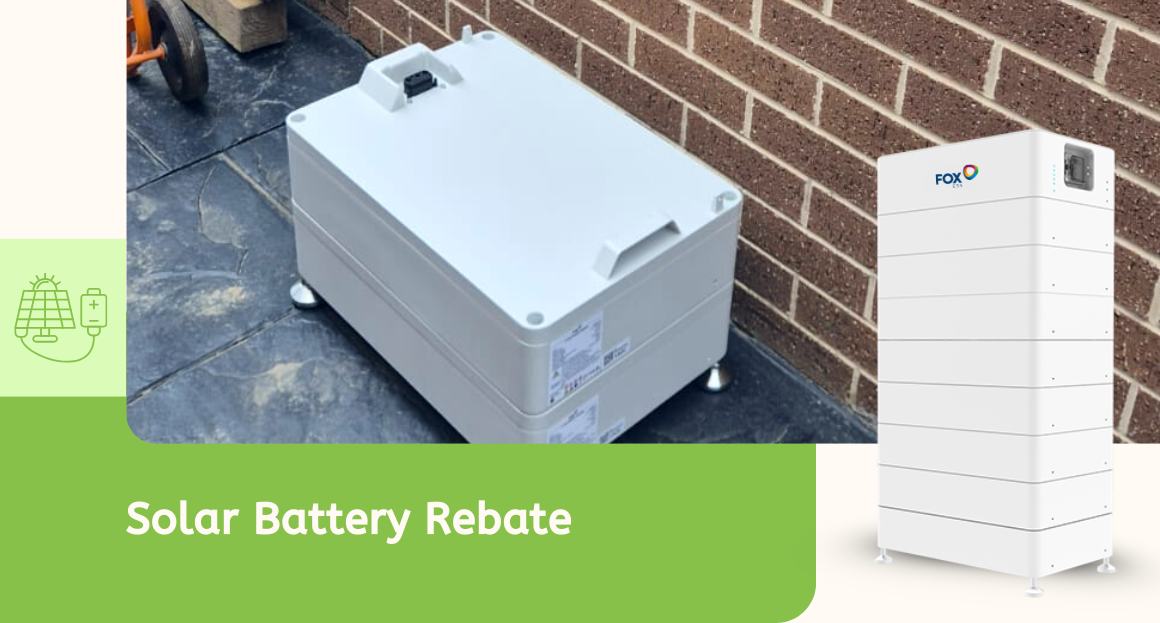
This program, the Federal Cheaper Home Batteries Program, is designed to run from 2025 until 2030. It provides a meaningful point-of-sale discount—roughly 30% off the cost of an eligible battery system, and it applies to systems sized between 5 kWh and 50 kWh. The rebate is embedded into the quote from participating providers, so homeowners and businesses don’t have to lodge claims themselves. The discount simply reduces the upfront cost.
It’s important to understand that eligibility is based on the system and installer, not the person. As long as the battery is on an approved list and installed by a CEC-accredited installer, most Victorian homes and small businesses qualify. This is particularly significant for renters, because the rebate does not require tenant income details or property-value conditions. If the landlord is willing to install a battery, the rebate applies.
For years, installing a solar battery in Victoria has been difficult to justify financially. That’s now changing. For the first time, Melbourne households looking for a solar-and-battery package can realistically consider it. Battery prices have dropped, solar battery installers near me searches have spiked, and the rebate has created a genuine shift in affordability.
Where Solar Victoria fits in and what it no longer does

Solar Victoria still plays an important role in the state’s energy transition, but not in the way most people assume. While the state no longer provides battery-specific loans, it continues to offer the solar panel rebate (up to $1,400) and a matching interest-free loan. This is extremely useful for households interested in a combined solar and battery package Melbourne providers install, because you can pair the Victorian solar panel rebate with the federal battery rebate for maximum impact.
What solar battery systems are eligible in Victoria?
Approved systems range from high-end solutions such as Tesla Powerwall and RACV solar battery products to offerings from Origin and other major energy retailers, through to mid-range options like BYD and Sungrow units. Any battery chosen must appear on the Solar Victoria-approved battery list or the equivalent federal list to receive the rebate.
This is where working with accredited installers matters. Positive Carbon ensures all systems comply with Victorian electrical standards, rooftop safety rules and audit requirements. Our team handles the eligibility checks, evidence collection and installation compliance so customers don’t have to navigate the regulatory maze themselves.
What a solar battery costs in Victoria and how the rebate shifts the equation

In typical market conditions, a home solar battery in Victoria costs anywhere between $7,000 and $22,000, depending on size and brand. A mid-range 20–30 kWh battery is one of the most popular choices for Melbourne homes.
With the federal discount applied, this cost drops significantly. Homeowners regularly see reductions of around 25–35%, making systems more achievable than they have been in years. Paired with solar panels, the long-term savings often outweigh the upfront investment for homes with moderate to high electricity usage.
Commercial customers also benefit. Business solar rebate Victoria options allow companies to combine STCs for solar panels with the federal battery rebate and VEU incentives for certain upgrades. The result is that businesses across Melbourne and regional Victoria are increasingly using batteries to reduce peak demand charges, protect against outages and stabilise energy costs.
What Victorians should expect as we move into 2026
The next year will be shaped by three major trends. First, the federal battery rebate continues through 2030, but its value is expected to decline gradually, so early adopters benefit the most. Second, the annual reduction of STCs continues, which affects the total rebate value for solar panel installations. And third, Victoria’s rental-property standards edge closer, pushing more electrification upgrades across the state.
All three trends point in the same direction: solar batteries will become increasingly important for managing energy costs, stabilising consumption, and supporting electrified homes. What once felt like a luxury purchase is now becoming a practical necessity, and the rebate structure finally reflects that reality.
Why a solar battery is the missing piece in Victorian homes
A battery doesn’t just store energy. It gives households and businesses more control over when and how they use electricity. It makes solar more valuable, reduces pressure during evening peak periods and supports essential appliances during outages. It also helps homes transition smoothly into the all-electric future Victoria is moving towards.
Many Victorians search “solar battery installers near me” because they’re not just shopping for a product — they’re looking for a provider who understands the rules, the rebates and the compliance requirements well enough to install safely and legally. As an accredited provider, Positive Carbon offers this clarity. We ensure every installation meets federal program requirements, Victorian electrical standards and the strict evidence guidelines that govern rebate-eligible installations.
Install a Battery with Rebates
More and more people are open to installing batteries because the rebate makes economic sense, upcoming regulations make electrification unavoidable, and tenants increasingly prefer low-cost, energy-efficient homes.
And if you’re still weighing your options, this is the best window Victoria has had in years. The rebates are strong, the standards are changing, and the market is ready. To know more details on your eligibility and get the best quote, give us a non-obligation call.
FAQs
1. How much does a solar battery cost in Victoria?
Most Victorian homes spend $6,000–$15,000 for a fully installed battery. Costs depend on the brand, kWh size, and any inverter or switchboard upgrades. As accredited providers, Positive Carbon guides you on the best-value systems based on your home.
2. What rebates are available for solar batteries in Victoria?
Victoria offers a Solar Victoria battery rebate that reduces upfront costs. Since eligibility and approved products change, Positive Carbon helps you confirm what you qualify for and ensures your system meets all rebate requirements.
3. Is a solar battery worth it?
A battery pays off if you use power at night, want lower bills, or prefer using more of your own solar. Households with EVs or blackout concerns see even more benefit. Positive Carbon assesses your usage to help you decide if a battery genuinely makes financial sense.
4. What size solar battery do I need?
Most homes pick 20–30 kWh, depending on nighttime consumption. Smaller homes tend to use 6–10 kWh, while families and EV owners usually need 10 kWh or more. Positive Carbon sizes your system accurately using real usage data.
5. Can I add a battery to my existing solar system?
Yes. Many homes can. If your current inverter isn’t battery-ready, you might need a hybrid or separate battery inverter. As accredited installers, Positive Carbon ensures your upgrade meets CEC standards and stays rebate-compliant.